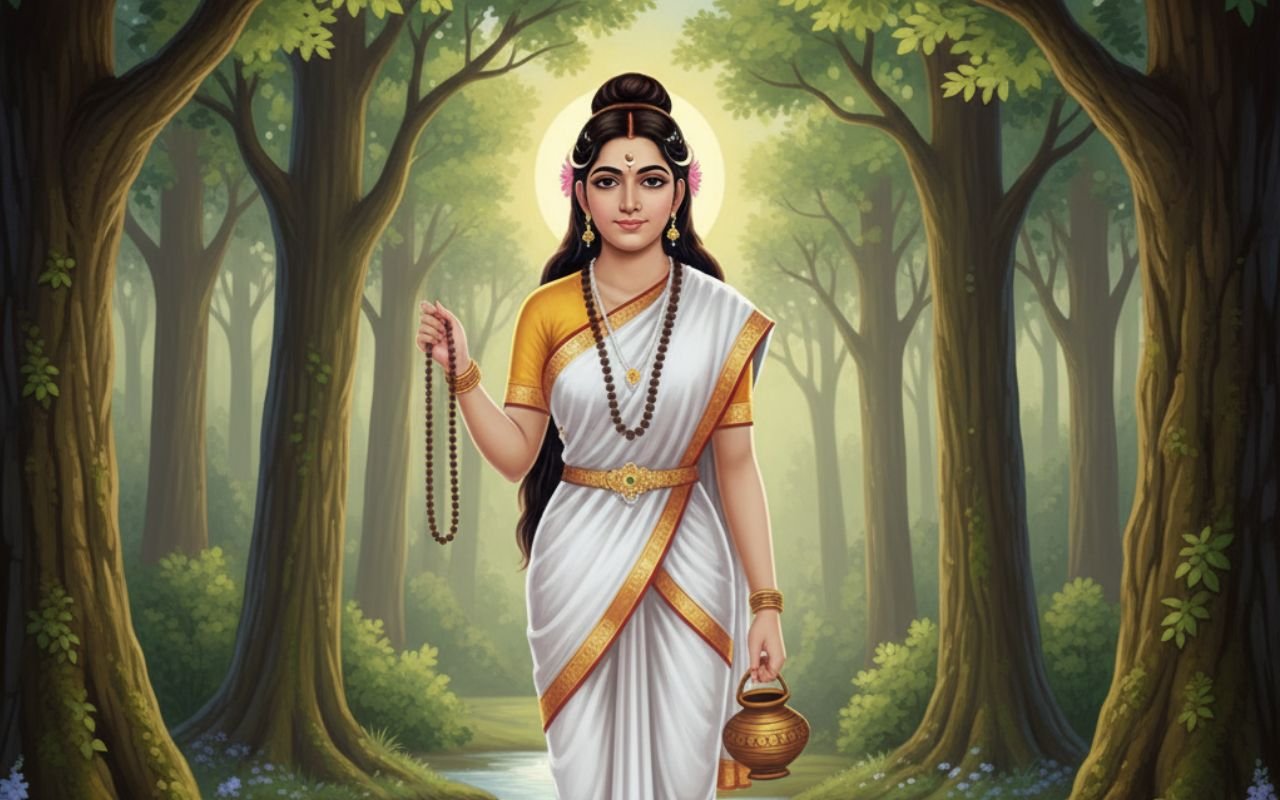
The first day of Navratri marks the beginning of a sacred nine-day festival dedicated to the divine feminine energy, Goddess Durga, worshipped in her nine powerful forms. This day is devoted to Maa Shailputri, also known as the Daughter of the Mountains, a representation of purity, strength, and the root of creation.
Who is Maa Shailputri?
Maa Shailputri is the first form of Goddess Durga worshipped on Navratri’s opening day. Her name combines two Sanskrit words: “Shail” meaning mountain and “Putri” meaning daughter, highlighting her origin as the daughter of the mountain king, Himavat (Himalaya).
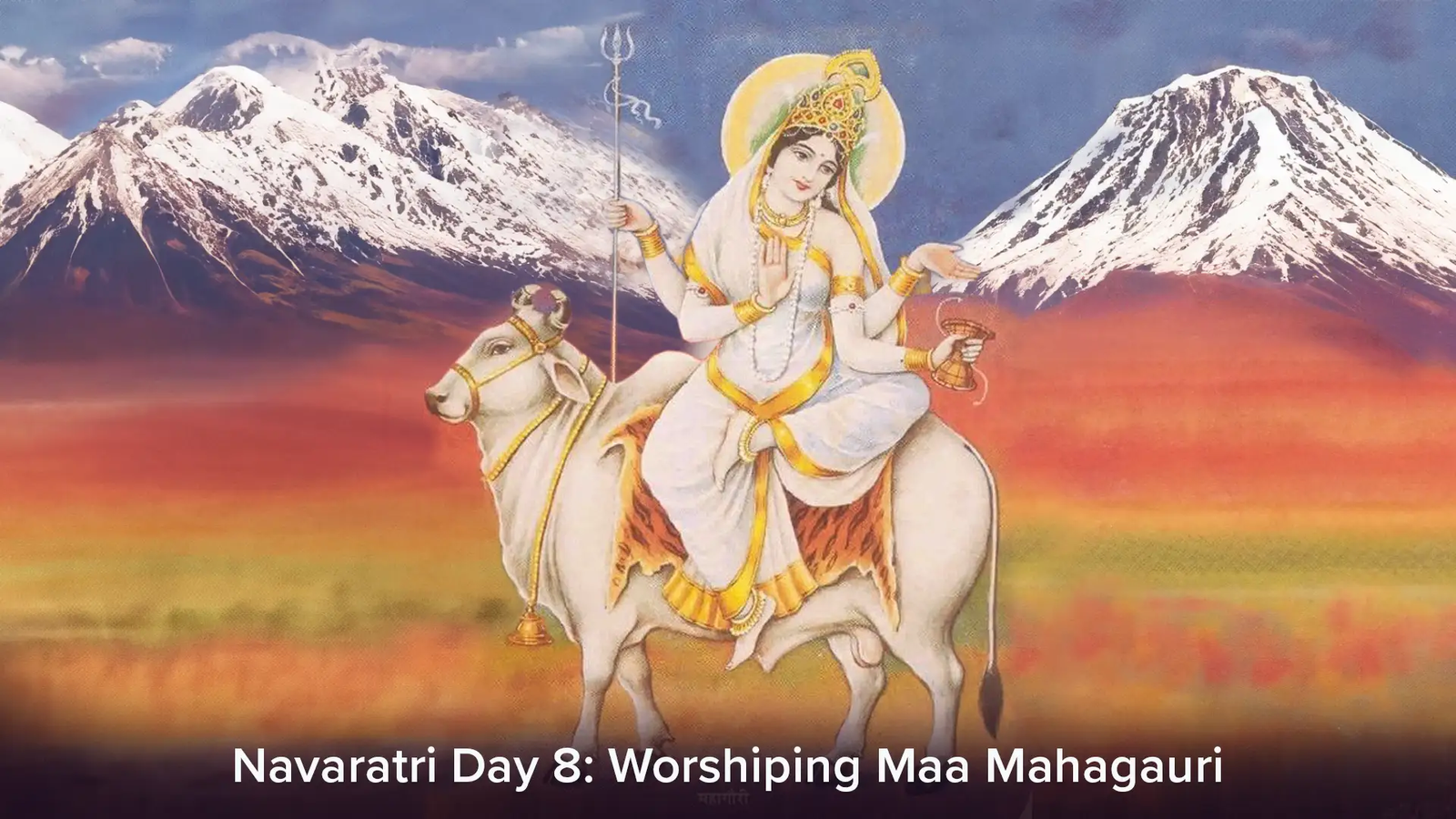
She symbolizes the primal force of nature, embodying the energy of the Muladhara (root) chakra, which grounds and strengthens the fundamental life force within us. Maa Shailputri is depicted riding a bull named Nandi—an emblem of strength and steadfastness—while holding a trident and lotus flower, symbolizing control over material and spiritual realms.
Significance of the First Day of Navratri
Worshipping Maa Shailputri on the first day sets a strong spiritual foundation for the entire festival. She inspires devotees to awaken their inner strength, determination, and purity of mind. This day represents new beginnings, courage to face challenges, and the journey toward spiritual realization.
The rituals commence with Ghatasthapana, symbolizing the sowing of seeds for growth and transformation, both spiritually and materially. Devotees chant mantras, offer flowers, and perform aarti, invoking Maa Shailputri’s blessings for health, happiness, and prosperity.
Symbolism in Maa Shailputri
- Bull (Nandi): Represents grounded strength and persistence.
- Trident (Trishul): Signifies power over physical, mental, and spiritual domains.
- Lotus: Symbolizes purity and spiritual awakening amidst worldly challenges.
How to Worship
Devotees begin with the installation of the Kalash (sacred pot), accompanied by sowing grains and offering water infused with sacred herbs. Chanting the Maa Shailputri mantra—“Om Devi Shailputryai Swaha”—108 times deepens the connection with the divine.
Special offerings like ghee sweets and red hibiscus flowers are presented during the puja. Observing fast and maintaining focus on spiritual practices on this day brings immense benefits and divine grace.
Beginning Navratri by honoring Maa Shailputri fills the heart with courage and sets the stage for a spiritually enriching festival ahead. May her blessings guide you toward strength, clarity, and peace throughout the Navratri journey.