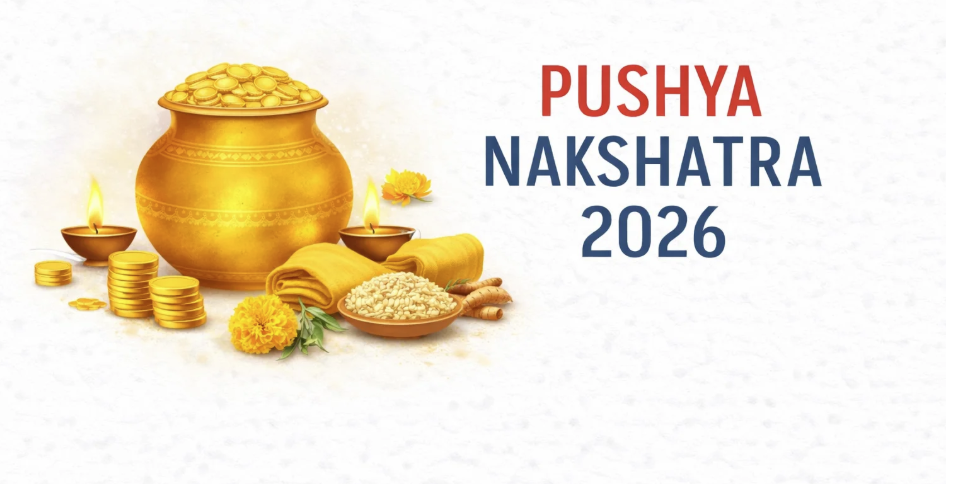
Pushya Nakshatra is considered one of the most auspicious and powerful nakshatras in Vedic astrology. Known as the “King of Nakshatras,” it is associated with growth, prosperity, stability, and success. Any important task started during Pushya Nakshatra is believed to bring long-lasting positive results.
In 2026, Pushya Nakshatra will occur multiple times throughout the year, offering several highly favorable moments (Shubh Muhurat) for spiritual practices, investments, business decisions, purchases, and important life events.
🌟 Importance of Pushya Nakshatra
Pushya Nakshatra is ruled by Saturn (Shani Dev) and symbolized by nourishment and strength. It supports:
• Wealth growth and financial stability • Business expansion and new ventures • Property and vehicle purchases • Spiritual rituals and mantra chanting • Wearing gemstones and malas • Starting education or career-related work
It is especially powerful for prosperity-related activities and is often calledSarvartha Siddhi Yoga when combined with certain weekdays.
📅 Pushya Nakshatra Dates in 2026
Throughout 2026, Pushya Nakshatra will appear approximately once every month, sometimes lasting for more than a day depending on planetary movement. These dates are highly recommended for:
✔ Gold and property purchases ✔ Business investments ✔ Auspicious beginnings ✔ Puja and remedies
(For exact timings and personalized muhurat based on your kundli, consult an expert astrologer.)
⏰ Best Shubh Time (Muhurat) During Pushya Nakshatra
Although Pushya Nakshatra itself is auspicious, the most beneficial results come when activities are performed during:
• Morning Brahma Muhurat • Daytime planetary favorable hours • Avoiding Rahu Kaal and Gulika Kaal
A personalized muhurat based on your birth chart can multiply the positive effects.
🌿 Benefits of Performing Activities on Pushya Nakshatra
✅ Attracts prosperity and abundance ✅ Removes obstacles in work and business ✅ Enhances spiritual growth ✅ Strengthens financial planning ✅ Brings long-term success
Many people also choose Pushya Nakshatra to wear Karungali Mala, gemstones, and spiritual remedies for faster positive outcomes.
📞 Get Personalized Pushya Nakshatra Guidance
For exact Pushya Nakshatra timings in 2026 and personalized auspicious muhurat according to your kundli:
👉 Call Now: 9009231652
Our expert astrologers at PrashnaKundali.org will guide you for wealth, success, and spiritual harmony.
Navratri Day 2 is dedicated to Maa Brahmacharini, the goddess revered for her unwavering tapasya—spiritual penance and ascetic devotion. Her radiant simplicity and single-minded pursuit of Lord Shiva embody supreme spiritual strength and self-control, making her a cherished figure for devotees seeking guidance through adversity.
Origins: The Path of Tapasya Defined
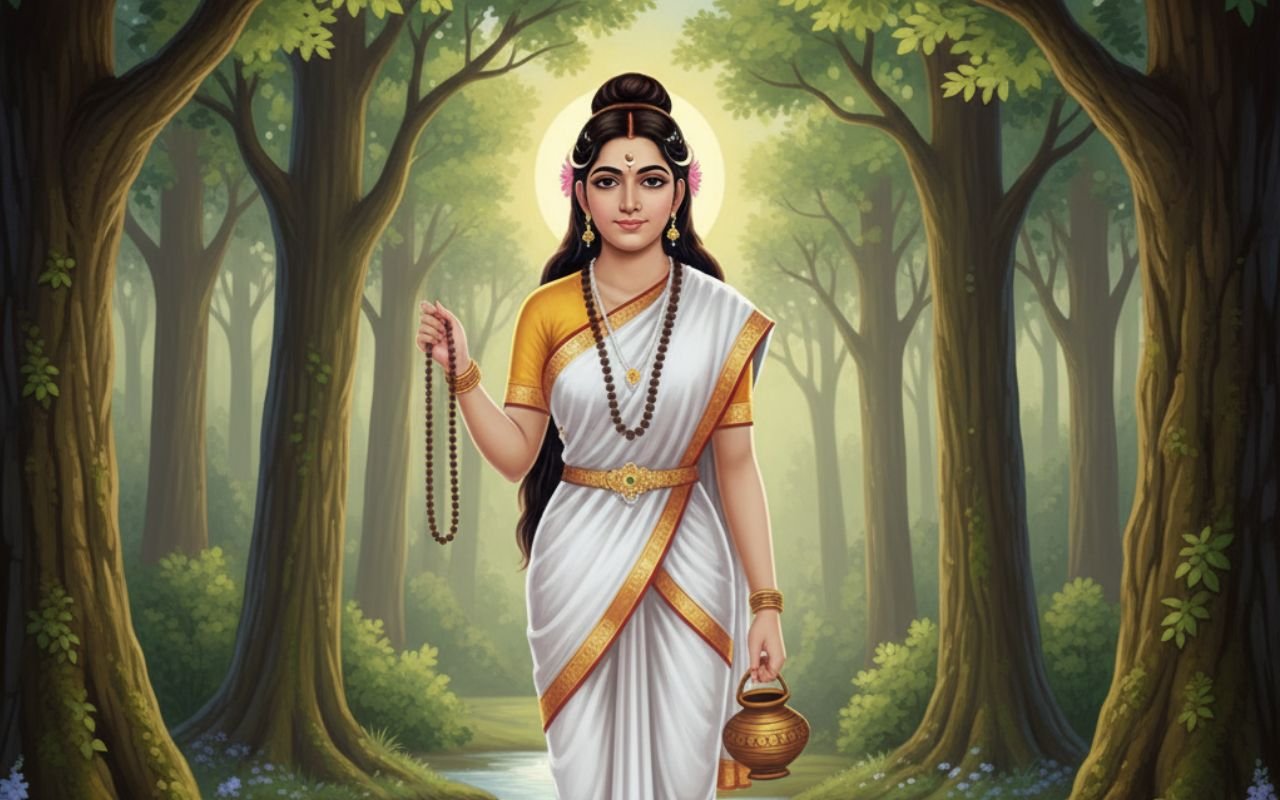
The word “Brahmacharini” comes from two Sanskrit roots—“Brahma”, meaning divine knowledge or penance, and “Charini”, meaning one who practices it. In her iconic form, Maa Brahmacharini wears a plain white saree, holds a rosary in her right hand, and a kamandalu (water pot) in her left, symbolizing utmost purity and dedication.
She is the unmarried, ascetic incarnation of Goddess Parvati.
Her penance lasted for thousands of years, where she survived on fruits, then leafy greens, and ultimately gave up even food and water—showing unmatched strength of will.
Divine Story: Why Is She Called the Goddess of Tapasya?
According to sacred texts, Parvati, wishing to reunite with Shiva, undertook severe penance and hardships to win his blessings. Her dedication was so powerful that she gained the name “Aparna” (she who gave up even leaves).
Lord Shiva himself visited Parvati in disguise during her penance to test her commitment.
After enduring years without food and water, Parvati’s tapasya moved Lord Brahma, who blessed her, declaring that only she could achieve such spiritual austerity.
Her journey reflects true devotion, resilience, and the rewards of unwavering faith—a spiritual lesson at the heart of Navratri worship.
Rituals, Mantras & Symbolism on Day 2
Day 2 rituals help devotees connect with Maa Brahmacharini’s energy for strength and discipline:
Rituals: Early morning bath, decorate the altar with white flowers, offer sugar and fruits, light a lamp, and chant mantras.
Mantra: “Om Devi Brahmacharinyai Namah”—recited to invoke focus, wisdom, and patience.
Symbolism: Her worship represents the strength to overcome obstacles and the ability to pursue a purpose with relentless determination.
Blessings and Benefits of Tapasya
Worshipping Maa Brahmacharini is believed to bestow:
Emotional resilience and ability to tackle life’s challenges.
Guidance on paths of purity, truth, and spiritual discipline.
Protection from untimely death and guidance towards wise choices in tough times.
Mastery over the mind, body, and senses—a key element in advancing towards self-realization and inner peace.
How Her Story Inspires Today’s Devotees
The penance of Maa Brahmacharini teaches the importance of patience, focus, and unwavering devotion. Her example inspires everyone to remain steadfast on their spiritual paths, regardless of external challenges.
She reminds one to embody purity in thought and action.
Devotees learn that true blessings come with humility, sacrifice, and perseverance.
Unlock Divine Blessings With Expert Navratri Guidance
To truly harness Maa Brahmacharini’s blessings this Navratri, consult with Vedic astrology specialists at PrashnaKundali.org. Receive personalized rituals, auspicious muhurat timings, and unique spiritual remedies for lasting strength and wisdom.
Book your in-depth Navratri consultation today—begin your spiritual journey guided by the Goddess of Tapasya!
The ninth and final day of Shardiya Navratri honors Maa Siddhidatri, the granter of all siddhis (perfections and supernatural powers) and the ultimate embodiment of divine fulfillment. Devotees turn to her for spiritual achievements, blessings, and the completion of all endeavors.
Who is Maa Siddhidatri?
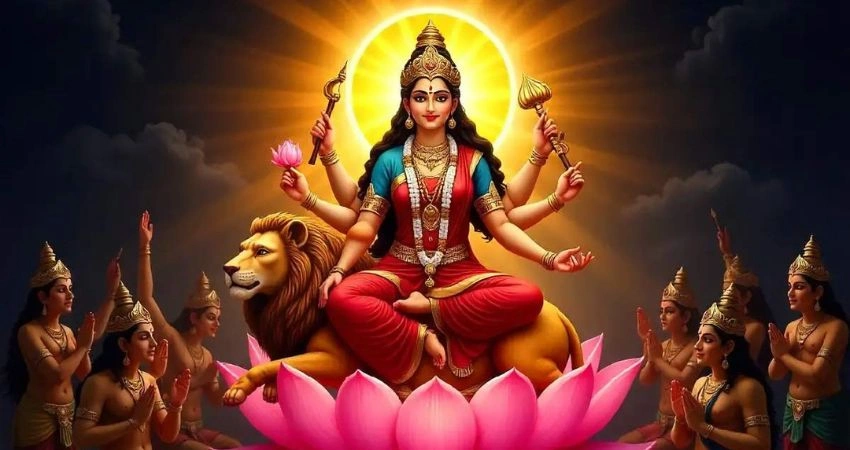
Maa Siddhidatri is portrayed with four arms, seated on a lotus or lion, holding a lotus, mace, chakra, and shankha (conch). She radiates serenity and divine grace, bestowing devotees with wisdom, success, and prosperity. Her form represents the union of Shiva and Shakti, as she granted Lord Shiva various siddhis through her blessings.
Spiritual Significance
Navami (the ninth day) is considered the culmination of the Navratri journey. Worshipping Maa Siddhidatri helps remove ignorance, fulfill spiritual aspirations, and bring about harmony and perfection in life. Her divine blessings are believed to complete all undertakings and destroy negativity, paving the way for success.
Auspicious Colour of the Day: Purple
The colour for Navratri Day 9 in 2025 is purple. This vibrant colour signifies ambition, wisdom, and spiritual awakening. Devotees are encouraged to wear purple to attract the goddess’s energy and blessings for higher consciousness.
Bhog to Offer
The traditional bhog (offering) for Maa Siddhidatri on Day 9 is sesame seeds (til) and sweets prepared from sesame. Offering til is believed to invoke her divine grace for overcoming obstacles and achieving all desires.
Rituals and Puja Vidhi
Cleanse the puja space and install Maa Siddhidatri’s idol.
Decorate the altar with purple flowers, fresh fruits, and sesame-based sweets.
Offer til, sweets, and pure water, along with incense and lamps.
Recite Maa Siddhidatri’s mantras, especially: “Om Devi Siddhidatryai Namah”
Perform the aarti and meditate on her serene form, asking for perfection, spiritual growth, and happiness.
Legend and Blessings
According to tradition, Maa Siddhidatri bestowed all siddhis upon Lord Shiva, enabling him to become Ardhanarishwara (half male, half female). Her blessings complete the devotee’s spiritual journey and grant fulfillment on all levels.
Navratri Day 9 with Maa Siddhidatri is the time for spiritual accomplishment and divine harmony. Wear purple, offer sesame seeds, and invite the goddess’s perfection into life’s every aspect.
Explore step-by-step rituals, mantras, and guidance at prashnakundali.org.
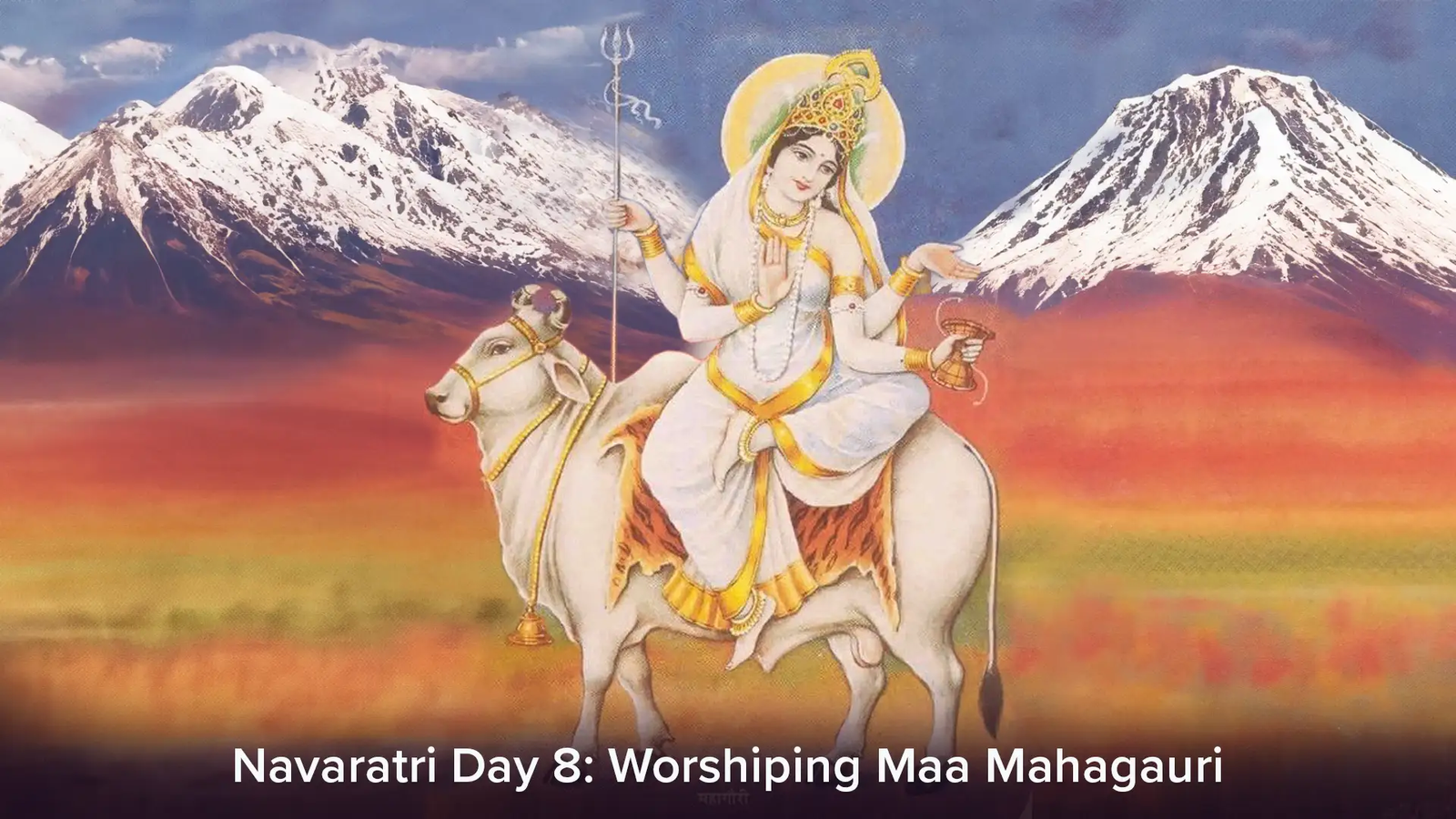
The eighth day of Navratri, also known as Ashtami, is devoted to Maa Mahagauri, revered as the goddess of purity, tranquility, and hope. Adorned in radiant white, Maa Mahagauri embodies peace, spiritual clarity, and the power of transformation—granting her devotees inner peace, prosperity, and new beginnings.
Appearance and Symbolism
Maa Mahagauri’s serene form glows with a white aura, symbolizing the cleansing of all past mistakes and impurities. She is depicted with four arms: two hands hold a trident (Trishul) and a damaru (drum), and the other two bless her followers with protection and boons. She rides a white bull called Nandi, signifying strength and unwavering devotion.
Significance & Rituals on the Eighth Day
Day 8, Maha Ashtami, is immensely auspicious in Navratri. Devotees perform special pujas seeking Maa Mahagauri’s blessings for peace, clarity, and wish fulfillment. It’s tradition to conduct Kanya Puja—an act of honoring young girls as symbols of divine feminine energy by washing their feet and offering gifts and prasad.
Auspicious Colour of the Day: Purple
The sacred colour for Navratri Day 8 in 2025 is purple. Wearing purple today invokes spiritual elevation, luxury, and a deeper connection with divinity.
Bhog & Prasad for Maa Mahagauri
Coconut is the traditional bhog (offering) given to Maa Mahagauri on this day, symbolizing the purity and fulfillment of desires. Devotees also prepare and offer kheer (rice pudding), puris, bananas, and sweets along with fresh flowers, especially jasmine or mogra.
Puja Vidhi (Steps for Worship)
Cleanse yourself and the puja space with Gangajal.
Install Maa Mahagauri’s idol or image on a clean, decorated altar.
Offer white or purple flowers, coconut, sweets, and fruit.
Adorn the goddess with a white or red chunri (scarf).
Light lamps and incense, and sprinkle holy water.
Recite mantras and perform the aarti with heartfelt devotion.
Recommended Mantra for Maa Mahagauri
“Om Devi Mahagauryai Namah”
Spiritual Message
The worship of Maa Mahagauri encourages letting go of past negativity, embracing purity, and setting intentions for a peaceful, prosperous future. Her blessings are believed to dissolve obstacles and grant heartfelt wishes with sincerity and faith.
For a full ritual guide, mantras, and devotional resources, explore more at prashnakundali.org.
The seventh day of Navratri 2025 is dedicated to Maa Kaalratri, one of the most fierce and powerful forms of Goddess Durga. She embodies strength, fearlessness, and the destruction of evil forces. Worshipping Maa Kaalratri on this day helps devotees eliminate fears, negativity, and obstacles, thereby inviting courage and spiritual empowerment into their lives.
About Maa Kaalratri
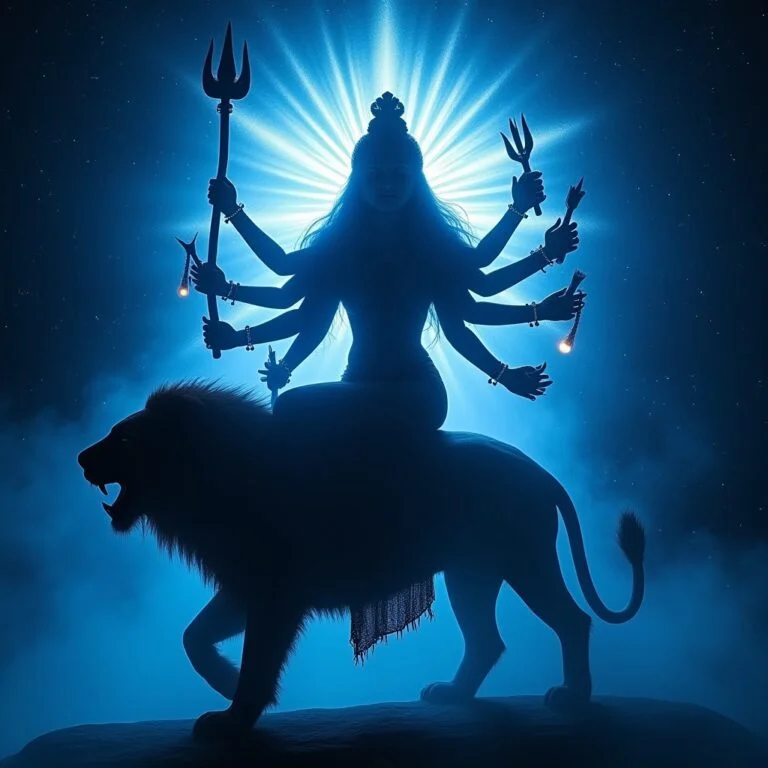
Maa Kaalratri possesses a dark complexion symbolizing the immense power to destroy darkness and ignorance. She rides a black donkey, and her four hands hold a sword, a thunderbolt, a blessing gesture, and a protective posture. Her wild hair and radiant third eye reveal her intense energy as the vanquisher of evil and protector of her devotees.
Significance of Navratri Day 7 Worship
Saptami, the seventh day, symbolizes victory of light over darkness. Devotees believe worshipping Maa Kaalratri grants protection from negative energies, removal of fears, and spiritual growth. It is an opportunity to seek her blessings for strength and liberation from life’s difficulties.
Colour of the Day: Grey
The color grey is prescribed to be worn on this auspicious day. Grey represents strength, balance, and neutrality—helping devotees stay grounded as they connect with Maa Kaalratri’s fierce yet protective energy.
Bhog to Offer
Jaggery (gur) is the traditional and most favored offering, symbolizing sweetness that conquers bitterness. Other offerings include hibiscus flowers, dry fruits, rice, and fresh fruits to please the goddess.
Mantra for Maa Kaalratri
Chant this powerful mantra to invoke her blessings: “Om Aim Hreem Kleem Chamundayai Vichche Namah”
Puja Ritual Steps
Clean the puja area and place Maa Kaalratri’s idol on a clean grey or black cloth.
Decorate the altar with red or marigold flowers and mango leaves.
Light a diya and incense sticks, and place offered bhog.
Recite the mantra with devotion and meditate on the goddess’s fierce form.
Perform aarti and seek her protection and blessings.
Combining with Bagalamukhi Puja
Many devotees also perform Bagalamukhi Puja along with Maa Kaalratri worship, as Bagalamukhi’s energy halts enemies and negativity, complementing Maa Kaalratri’s fierce power to protect and liberate.
For detailed puja guidance and personalized offerings, visit prashnakundali.org.
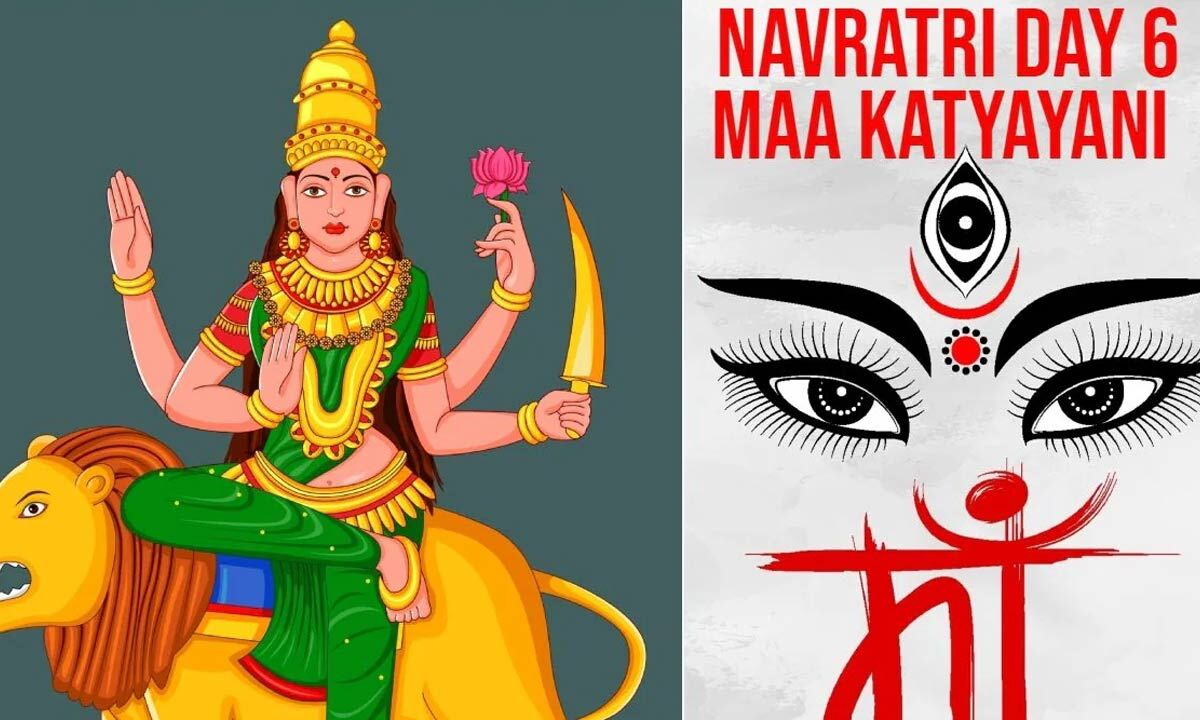
The sixth day of Navratri holds special significance in the nine-night festival dedicated to Goddess Durga. On this day, devotees worship Maa Katyayani, the sixth manifestation of the Divine Mother, who represents courage, strength, and victory over evil forces. According to ancient texts, Maa Katyayani was created from the combined energies of the Gods to destroy the demon Mahishasura, making her embodiment of divine power and justice. This day offers spiritual seekers a powerful opportunity to overcome obstacles and achieve success in their endeavors through dedicated worship and offerings.
At Prashna Kundali, we understand the deep connection between planetary influences and divine energy, especially during auspicious periods like Navratri. Our expert astrologers are available to provide personalized guidance on how to make the most of this powerful day based on your birth chart and current planetary positions. Call 9009231652 now for a personalized Navratri consultation tailored to your spiritual needs!
The Significance of Maa Katyayani
Mythology and Symbolism
Maa Katyayani is known as the “Warrior Goddess” who rides a magnificent lion and wields multiple weapons in her hands. She is depicted with a golden complexion and is often shown in a fierce form, ready to combat negative forces. The name “Katyayani” originates from the sage Katyayan, who performed severe penance to invoke the Goddess and request her to be born as his daughter. She answered his prayers and took birth in his ashram, later fulfilling her divine purpose of destroying evil.
Spiritual Benefits of Worshipping Maa Katyayani
Devotees who worship Maa Katyayani with sincere devotion receive:
Victory over enemies, competitors, and obstacles
Courage to face challenges and overcome fears
Protection from negative energies and black magic
Harmony in relationships, especially for those seeking marriage
Strength to overcome health challenges and diseases
🎯 Special Offer: Curious about how Maa Katyayani’s energy can transform your life? Speak to our expert astrologers at 9009231652 to understand the specific benefits you can receive through dedicated worship based on your planetary alignments!
Today’s Navratri Color (2024): Orange
Symbolism of Orange
On the sixth day of Navratri 2024, the designated color is vibrant orange, which represents:
Enthusiasm and energy for new beginnings
Creativity and expression without inhibitions
Success and victory in competitive endeavors
Spiritual awakening and transformation
Warmth and positive energy in relationships
Fashion Suggestions
Incorporating orange into your attire and surroundings enhances the day’s spiritual vibrations:
Wear orange traditional outfits like sarees, suits, or dhotis
Accessorize with orange jewelry or accessories
Decorate your puja space with orange flowers (marigolds) and fabrics
Use orange accents in your home décor to invite positive energy
👗 Fashion Tip: Not sure how to incorporate orange in a way that aligns with your personal energy? Text your birth details to 9009231652 for personalized color guidance based on your astrological chart!
Maa Katyayani Bhog: Traditional Offerings and Recipes
Recommended Bhog Items
The sixth day of Navratri calls for sattvic (pure) offerings that please Maa Katyayani. Traditional bhog includes:
Honey-based sweets – Symbolizing sweetness in life
Milk-based desserts – Representing purity and nourishment
Fruits – Especially oranges and seasonal varieties
Saffron-infused dishes – Denoting prosperity and spirituality
Special Recipe: Kesari Malpua (Saffron Pancakes)
Ingredients:
1 cup whole wheat flour (kuttu ka atta for fasting)
2 cups milk
½ cup honey or sugar
A pinch of saffron strands
Ghee for frying
Chopped nuts for garnishing
Preparation:
Soak saffron in warm milk for 15 minutes
Mix flour, saffron-infused milk, and honey to make a smooth batter
Heat ghee in a pan and pour small portions of the batter
Fry until golden brown on both sides
Garnish with chopped nuts and serve warm
🍯 Pro Tip: Offering homemade bhog with devotion amplifies its spiritual potency. For personalized guidance on offerings that align with your planetary chart, call 9009231652 to consult with our expert astrologers!
Puja Rituals for the Sixth Day
Step-by-Step Worship Procedure
Cleanliness: Begin with a purification bath and wear clean orange clothes
Altar Setup: Place an image or idol of Maa Katyayani on a yellow or orange cloth
Invocation: Light a ghee lamp and incense to create sacred space
Offerings: Present flowers, fruits, and specially prepared bhog
Mantra Chanting: Recite the Katyayani mantra 108 times:
“Om Katyayanyai Namah” or
“Ya Devi Sarvabhuteshu Maa Katyayani Rupena Samsthita Namastasyai Namastasyai Namastasyai Namo Namah”
Aarti: Perform the evening aarti with devotion
Prasad Distribution: Share the blessed food with family and friends
Mantra Significance
Chanting Maa Katyayani’s mantras with sincerity helps:
Remove negative planetary influences from your life
Enhance martial harmony and relationship satisfaction
Develop courage and confidence in difficult situations
Attract victory in legal matters and competitions
🔮 Enhanced Worship: Want to know the exact number of mantra repetitions and optimal timings for your personal chart? Call 9009231652 for customized puja instructions from our experienced astrologers!
Astrological Significance of the Sixth Day
Planetary Influences
The sixth day of Navratri is governed by Jupiter (Guru) and Mars (Mangal), creating a powerful energy for:
Removing obstacles caused by unfavorable planetary positions
Enhancing leadership qualities and decision-making abilities
Improving marital prospects and relationship harmony
Gaining victory over competitors and opponents
Connection with Prashna Kundali
At Prashna Kundali, we specialize in answering your specific questions through the ancient art of Vedic horary astrology. The sixth day of Navratri is particularly powerful for:
Clarity on ongoing challenges and their solutions
Insight into relationship dynamics and compatibility
Guidance on career decisions and competitive examinations
Understanding health issues and their remedies
🌟 Limited Consultation Slots: The powerful energies of Navratri make this an ideal time for astrological guidance. Book your personalized Prashna Kundali reading today by calling 9009231652! Our expert astrologers are available for 15, 30, or 60-minute consultations to address your specific questions.
Frequently Asked Questions
Q1: Why is orange color significant on the sixth day of Navratri?
Orange represents energy, enthusiasm, and success—qualities embodied by Maa Katyayani. Wearing this color helps devotees align with her victorious energy and attract positive outcomes in their endeavors.
Q2: Can I worship Maa Katyayani for marriage-related concerns?
Yes, Maa Katyayani is especially worshipped by those seeking harmonious relationships and marriage. Unmarried devotees often observe fasts and perform special pujas to receive her blessings for finding a suitable life partner.
Q3: What are the specific benefits of offering honey-based sweets to Maa Katyayani?
Honey represents sweetness and purity in relationships. Offering honey-based sweets helps remove bitterness from relationships and attracts harmonious connections based on mutual respect and affection.
Q4: How can Prashna Kundali help during Navratri?
Our expert astrologers use the powerful energies of Navratri to provide precise answers to your specific questions about relationships, career, health, and spiritual growth through Prashna Kundali—Vedic horary astrology that doesn’t require your birth details.
📞 Have More Questions? Our astrologers are available to answer your specific queries about Navratri observances, rituals, and their astrological significance. Call 9009231652 now for immediate guidance!
Conclusion: Embrace the Power of Maa Katyayani
The sixth day of Navratri offers a profound opportunity to connect with Maa Katyayani’s divine energy of courage, victory, and transformation. By observing the rituals with devotion, wearing the auspicious orange color, and offering sincere bhog, devotees can overcome obstacles and attract success in all areas of life.
At Prashna Kundali, we’re committed to helping you navigate your spiritual journey with personalized astrological guidance. Whether you need clarity on your relationships, career, health, or spiritual practices, our expert astrologers are here to provide answers tailored to your unique situation.
🕉 Special Navratri Offer: Book a 30-minute consultation for only ₹999 (usually ₹1500) and receive:
Detailed guidance on Navratri rituals specific to your needs
Personalized mantras and remedies based on your current challenges
Insights into planetary influences affecting your life
Practical solutions to overcome obstacles and attract success
Don’t miss this opportunity! Call 9009231652 now to connect with our expert astrologers during this powerful Navratri period.
May Maa Katyayani bless you with courage, victory, and spiritual growth!
May Maa Baglamukhi bless you with protection, victory, and spiritual growth!
The fifth day of Navratri, also known as Panchami, is devoted to the worship of Maa Skandamata, the compassionate mother of Lord Skanda or Kartikeya. As the fifth aspect of Goddess Durga, Maa Skandamata embodies maternal love, protection, wisdom, and salvation—bestowing immense blessings on her devotees.
The Significance of Maa Skandamata
Maa Skandamata sits gracefully on a lotus, with her beloved son Skanda in her lap and a gentle lion by her side. She is usually portrayed with four arms—one holding Skanda, one in blessing (abhaya mudra), and the other two carrying lotus flowers. Her celestial form radiates tranquility, wisdom, and unconditional grace, guiding her followers toward prosperity and spiritual advancement. Worshipping Skandamata not only brings happiness and peace to families but also invokes her powers of protection and maternal care.
Why Worship Maa Skandamata During Navratri?
Navratri Day 5 is considered particularly auspicious for those seeking wisdom, strength, and liberation from challenges. Through heartfelt worship, devotees are believed to receive:
Blessings for wisdom and prosperity
Protection for children and family well-being
Freedom from obstacles and inner negativity
Spiritual transformation and peace
Maa Skandamata Puja Vidhi – Step-by-Step Rituals
1. Preparation: Begin the day with a bath and wear clean green or yellow attire—colors associated with serenity and wisdom. Arrange a respectful altar with Maa Skandamata’s idol or image, and decorate it with lotus flowers and a red/white cloth.
2. Setting the Kalash: Place a sacred Kalash (pot) with holy water, coconut, and mango leaves beside the idol.
3. Offerings: Present fresh fruits, especially bananas and apples, Panchamrit (mixture of milk, curd, honey, ghee, and sugar), lotus flowers, dry fruits, sweets (like kheer or halwa), and incense sticks as offerings.
4. Mantra Recitation: Chant the following mantra with devotion: “Om Devi Skandamatayai Namah” Recite this 108 times, seeking Maa’s blessings for wisdom and family harmony.
5. Aarti and Prayers: Light the lamp and perform aarti while singing praises of Maa Skandamata. Meditate on her image, visualizing her bestowing love and protection.
6. Distribution of Prasad: After the puja, share the sacred prasad with family and friends to spread joy and prosperity.
Spiritual Lessons from Maa Skandamata
Worshipping Skandamata inspires us to embody nurturing love, courage, and wisdom. Her divine presence encourages letting go of ego and embracing humility and compassion in daily life.
Connect With Prashnakundali.org For Ritual Guidance
Make the fifth day of Navratri truly special with expert guidance from prashnakundali.org. Get step-by-step puja instructions, personalized mantras, and remedies for attracting Maa Skandamata’s blessings to your home.
The auspicious fourth day of Navratri is dedicated to Maa Kushmanda, revered as the creative force who brought the cosmos into existence with her radiant smile. This special day celebrates her power as the embodiment of light, vitality, and abundance, inviting devotees to connect deeply with the goddess and receive her blessings for health, prosperity, and inner strength.
Who is Maa Kushmanda?
Maa Kushmanda, the fourth manifestation of Navadurga, is known as the “creator of the universe.” Her name combines “Ku” (little), “Ushma” (energy/warmth), and “Anda” (egg), symbolizing the cosmic egg of creation. She rides a lion and is depicted with eight arms holding essential divine symbols, including a kamandalu, bow, arrow, lotus, and discus. All of these reflect her ability to nurture, protect, and grant power to her devotees.
Through sheer will and a radiant smile, she filled the void of nothingness with creation, light, and life force. On Navratri Day 4, followers celebrate her role as the sustainer and energizer of the universe.
Significance of Worshipping Maa Kushmanda
Honoring Maa Kushmanda is believed to:
Remove negative energies and fears
Enhance vitality, health, and strength
Illuminate the mind and heart with clarity
Bring prosperity, abundance, and success
Foster creative intelligence and spiritual growth
Her blessings are sought for overcoming life’s obstacles and generating new beginnings filled with positivity and spiritual radiance.
Traditional Rituals and Puja Vidhi
1. Preparation: Cleanse the worship area thoroughly. Place a red or yellow cloth on the altar and set up an image or idol of Maa Kushmanda. Arrange the sacred Kalash (pot) with water, mango leaves, and a coconut.
2. Morning Puja: Wear royal blue or yellow attire, the colors associated with auspiciousness on this day. Offer jasmine or other fresh flowers to the goddess.
3. Offerings (Bhog): Malpua (a sweet), fruits, and milk-based treats are considered favorite offerings. Include orange and red flowers as well.
4. Mantra Chanting: Recite mantras such as: “Om Devi Kushmandayai Namah” and “Ya Devi Sarva Bhuteshu Kushmanda Rupena Samsthita, Namastasyai Namastasyai Namastasyai Namo Namah” Chanting these 108 times invokes the goddess’s creative and healing energies.
5. Aarti and Prayer: Perform aarti with devotion, moving the lamp in circular motions before Maa Kushmanda’s image and singing her praises. Pray sincerely for health, happiness, and spiritual progress.
6. Fasting (Vrat): Many devotees observe a fast, consuming only sattvic food and avoiding grains, salt, and spices, to deepen spiritual focus and receive the goddess’s blessings.
7. Distribution of Prasad: Share the sacred offerings with family and friends to spread the joy and positivity of this auspicious day.
Symbolic Lessons for Devotees
Maa Kushmanda’s worship teaches us about harnessing inner energy, facing challenges with a positive mindset, and nurturing creative abilities. Her story serves as a guiding light for those seeking new pathways and the courage to overcome darkness.
Connect With Prashnakundali.org For Personalized Ritual Guidance
Embrace the spirit of Navratri Day 4 with expert guidance from Prashnakundali.org. Receive step-by-step instructions, mantras, and remedies tailored for you and your family. Let Maa Kushmanda’s light energize your journey and remove all obstacles.
Navratri 2025 will be celebrated with devotion, music, colors, and cultural fervor across India and among Hindu communities worldwide. Each of the nine days of Navratri is dedicated to a different form of Maa Durga, and the third day of Navratri honors Maa Chandraghanta, the Goddess of courage, strength, and serenity.
On this day, devotees seek her blessings to gain fearlessness, confidence, and peace. Many also look for Navratri wishes images of Maa Chandraghanta to share with friends and family, spreading festive positivity and divine blessings.
Story of Maa Chandraghanta
According to Hindu scriptures, after Goddess Parvati married Lord Shiva, she adorned her forehead with a crescent-shaped moon that looked like a bell (Ghanta). This is how she came to be known as Chandraghanta.
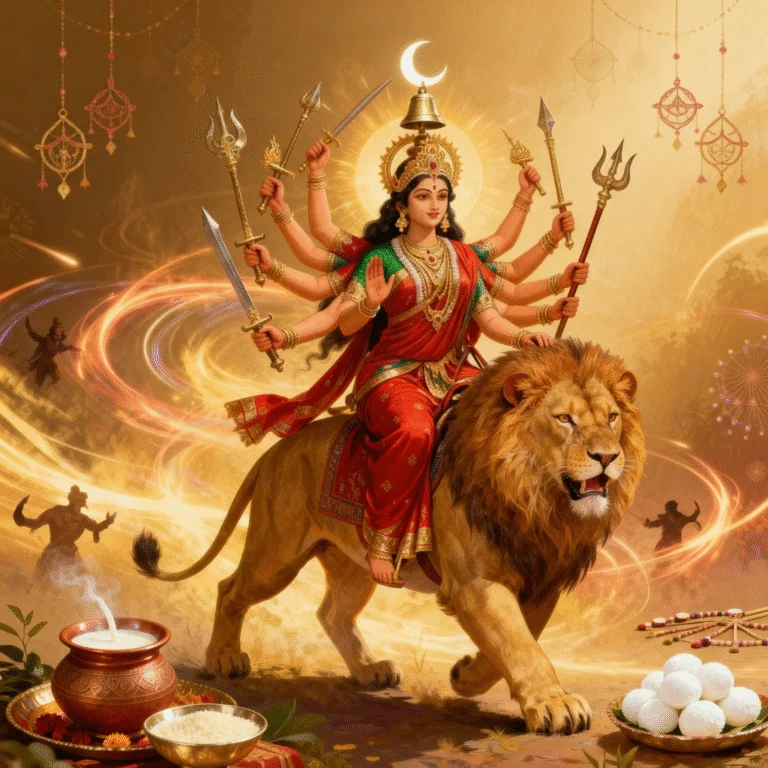
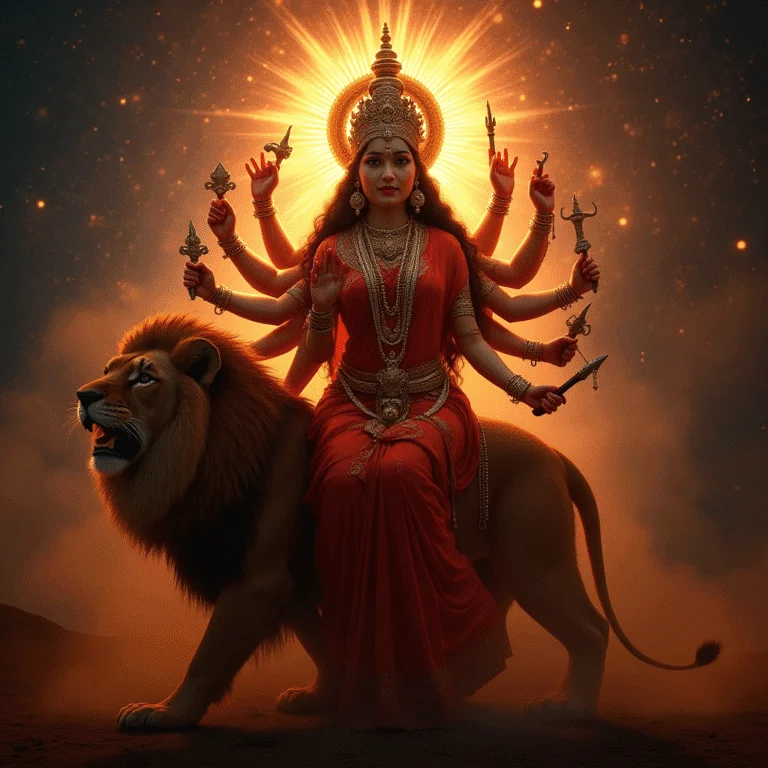
Maa Chandraghanta rides a fierce lion and carries ten divine weapons. Her bell-like roar once terrified demons such as Mahishasura, protecting her devotees from harm.
Worshiping Maa Chandraghanta on the 3rd Day of Navratri 2025 helps devotees gain inner courage, protection from evil forces, and the strength to overcome personal and professional struggles.
Bhog on the 3rd Day of Navratri 2025
Devotees prepare milk, kheer, and white-colored sweets as bhog for Maa Chandraghanta. Offering these items symbolizes purity, removes negativity, and invites harmony and spiritual upliftment at home.
Along with bhog, sharing Maa Chandraghanta Navratri wishes images is also considered auspicious, as it spreads blessings and joy among family and friends.
Tithi of the 3rd Day in Navratri 2025
In 2025, the third day of Navratri falls on Tritiya Tithi of Shukla Paksha in the month of Ashwin. This day is highly significant as it combines the blessings of courage, peace, and divine protection from Maa Chandraghanta.
Garba & Dandiya Celebrations
The evenings of the third day of Navratri are filled with Garba and Dandiya performances. Devotees dance in colorful attire, reflecting the warrior spirit of Maa Chandraghanta. Sharing images and videos of Garba celebrations has become a popular way to express devotion and festive joy on social media.
If you are struggling with negativity, enemies, or obstacles, worship of Maa Chandraghanta gives courage—but for instant protection and victory over difficulties, devotees often perform the Maa Baglamukhi Havan.
This sacred ritual is known to: ✅ Control enemies ✅ Neutralize negative energies ✅ Ensure protection and success ✅ Bring peace and prosperity
The 3rd Day of Navratri 2025 dedicated to Maa Chandraghanta is a celebration of courage, protection, and positivity. By offering milk and white sweets, performing Garba and Dandiya with devotion, and sharing Navratri wishes images, devotees invite divine blessings into their lives.
With Maa Chandraghanta’s grace, one overcomes fear and negativity, leading to a peaceful and prosperous life. And if you wish for powerful protection against obstacles, don’t miss the opportunity to perform the Maa Baglamukhi Havan 👉 Book Now.